
Sewer Line Repair in Greeley, CO
Need Greeley sewer line repair? If your sewer is backing up or a quote feels too big, call SewerProof Greeley to talk to a local sewer pro who checks the line with a camera before anyone talks about digging.
Talk to a local sewer pro
Not sure what’s wrong?
Describe what’s happening. A local pro will tell you what to check first and what a camera check would show.
Sewer services in Greeley
Every Greeley sewer line repair starts with finding the real problem. Here is the work local sewer pros handle across Greeley and nearby towns:
How it works
What’s happening in your home?
Pick the one that sounds like yours. Each one points to a different kind of sewer problem.
One sink or one tub draining slowly? That’s usually a drain clog, not a sewer line problem, and this page isn’t the right fit.
Two or more of the signs above? Call for local sewer line repair near Greeley and describe what you’re seeing.
Is it just a clog or a broken sewer line?
A sewer backup isn’t always just a clog. If the line gets cleared and the problem comes back in a few weeks or months, something is usually wrong with the pipe itself. That calls for real sewer pipe repair, not another clearing.
What you see | Likely cause | Usual first step |
|---|---|---|
One backup, drains fine after clearing | Blockage (grease, wipes, debris) | Clear the main line, then watch it |
Backups return after every clearing | Roots getting in through a crack or joint | Camera check to find the entry point |
Water sits in one part of the line | A low spot (belly) in the pipe | Camera check to measure how bad it is |
Sewage smell, soggy yard, sinking ground | Crack, broken joint or collapse | Camera check, then repair |
The only way to know for sure is to see inside the pipe. A sewer camera shows the roots, crack or sag, and many systems also show how far down the line the problem sits. That distance tells the crew where to fix it, and whether a small repair will do.
Not sure if it’s a clog or a broken line?
Describe what you’re seeing. A local sewer pro can tell you what to check first, before you pay for anything.
Not sure what you’re dealing with? Start with our guides to a sewer smell in the house, gurgling drains, a basement floor drain backing up or a soggy yard over the sewer line. Or browse all our Greeley sewer guides.
Get camera proof before you pay for a dig
Homeowners in the Greeley area tell the same story in online reviews. A plumber runs a camera, says the line has major problems, and offers to start tomorrow if they sign now. One reviewer paid about $8,000 to have a sewer line dug up. A different plumber later told them the pipe wasn’t broken. It only had an offset joint that would have lasted a long time.
Not every sewer line repair in Greeley, Colorado needs a new line. Here’s how the camera findings usually line up with the fix:
Camera shows | What it often means |
|---|---|
Roots in the line, pipe still round and solid | Cleaning and root clearing may be enough for now, with a follow-up check |
A single crack or one bad joint | A spot repair or a liner over that section |
An offset joint with water flowing past it | May need no repair at all, or a small repair. Ask for a second opinion. |
A deep sag (belly) that holds water | May need that section re-dug and re-sloped |
Collapsed or badly broken pipe | Replacement, by digging or pipe bursting |
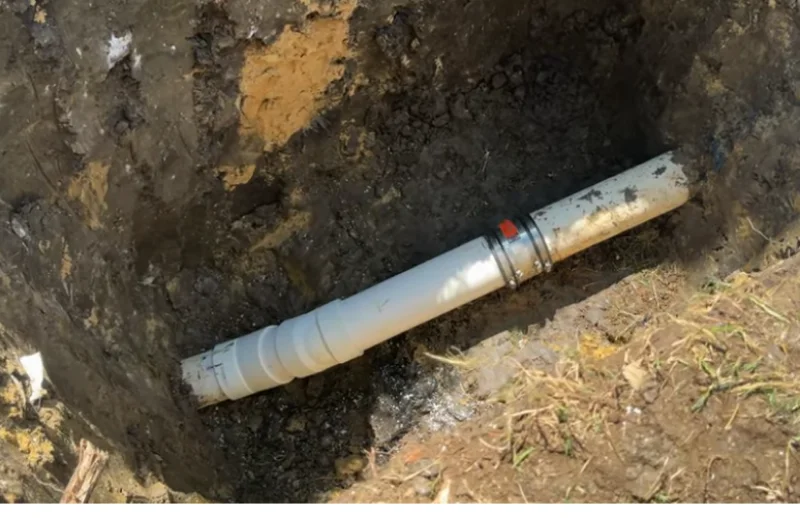
Before you agree to a dig or any Greeley sewer line repair, ask to see the footage yourself and keep a copy. If the answer is a big repair, getting a second opinion is normal.
What should you expect to pay?
Affordable sewer repair in Greeley often starts small. Most sewer problems cost far less than a full replacement. Clearing a main line or removing roots often runs a few hundred dollars. A small spot repair can be under $1,100. Typical full replacements in Greeley run up to about $6,500. The exact price depends on what the camera finds, how deep the pipe is, and what sits on top of it.
Typical 2026 prices, smallest jobs first:
Service | Typical 2026 range |
|---|---|
Main line snaking | $125 to $315 |
Root removal | $125 to $1,250 |
Sewer camera inspection | $175 to $350 |
Hydro jetting | $300 to $600 |
Spot repair of a cracked section | $600 to $1,050 |
Full sewer line replacement | Typically up to about $6,500 |
These are typical 2026 ranges. Your exact price is set after a camera check. See the full breakdown of sewer line repair costs.
What pushes the price up or down
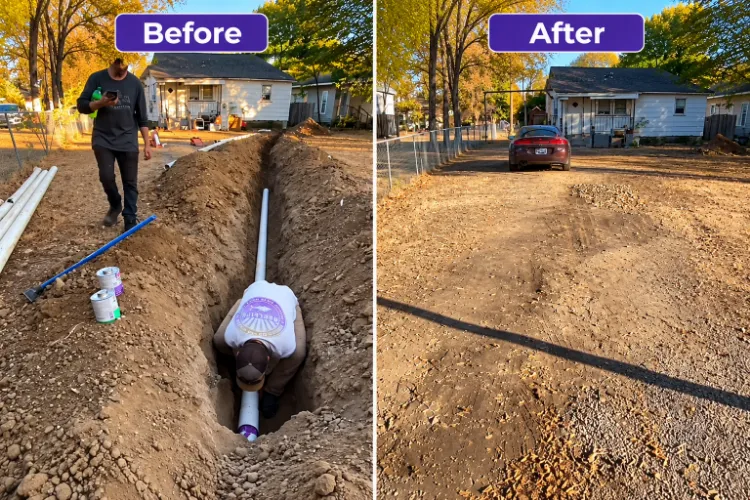
Want a real price for residential sewer line repair in Greeley, CO? Call and talk it through with a local sewer pro.
Who is responsible for the sewer line: you or the City of Greeley?
In Greeley, the homeowner is responsible for the sewer service line (also called the sewer lateral) from the house to the city main. The City maintains the public sewer main. The City of Greeley says it is not responsible for maintaining private sewer service lines, and its design standards treat the service line as private property, maintained by the owner.
A few Greeley details most homeowners don’t know:
Not sure if the problem is in your line or the City’s? Call (970) 771-0141. A local sewer pro can run a camera and show you where the problem sits before any work starts.
Why do sewer lines fail in Greeley-area homes?
Tree roots
Roots follow moisture, and a sewer line full of warm water is an easy target. They get in through tiny cracks and loose joints, then grow into a mat that catches everything flowing past. Extension guidance lists cottonwood and other poplars, willow, ash, silver maple and boxelder among the trees with aggressive roots near pipes. Root problems often start with clearing the line, then a camera check to find where the roots got in.
Older homes and older pipe
Greeley has homes built across many decades. Older lines may be clay, cast iron, Orangeburg or other materials that crack, rust or separate at the joints. A house’s age doesn’t prove what pipe it has, though. A sewer camera inspection is the only way to know.
Shifting soil
Soil in and around Greeley varies a lot from lot to lot. The Colorado Geological Survey notes that swelling soils can break pipes and sewer lines, and that parts of the Eastern Slope sit on soils that can swell. On those lots, ground movement can crack a pipe or leave a low spot where waste settles.
Low spots and bad slope
A sewer line needs a steady downhill slope. Greeley’s current standard for new service lines is at least 1% (1/8 inch per foot). When part of an older line sags, water and solids sit in the low spot and keep causing backups.
Roots, old pipe or a low spot?
Find out what’s really going on before you pay for a fix. A local sewer pro can walk you through it on the phone.
Trenchless or dig: which repair does your home need?
Trenchless repair works when the old pipe is still in one piece and in line. It avoids digging a trench across your yard. When the pipe has collapsed or badly sagged, digging is usually the right fix.
Pipe lining | Pipe bursting | Traditional dig | |
|---|---|---|---|
How it works | A new liner cures inside the old pipe | A new pipe is pulled through, breaking the old one apart | The line is uncovered and replaced |
Digging | Little, often at access points | Small pits at each end | A trench along the line |
Best for | Cracks, joints, root entry | Old pipe that’s worn out | Collapse, deep sags, major offsets |
Typical 2026 price | $135 to $150 per foot | $150 to $190 per foot | Most full replacements: up to about $6,500 |
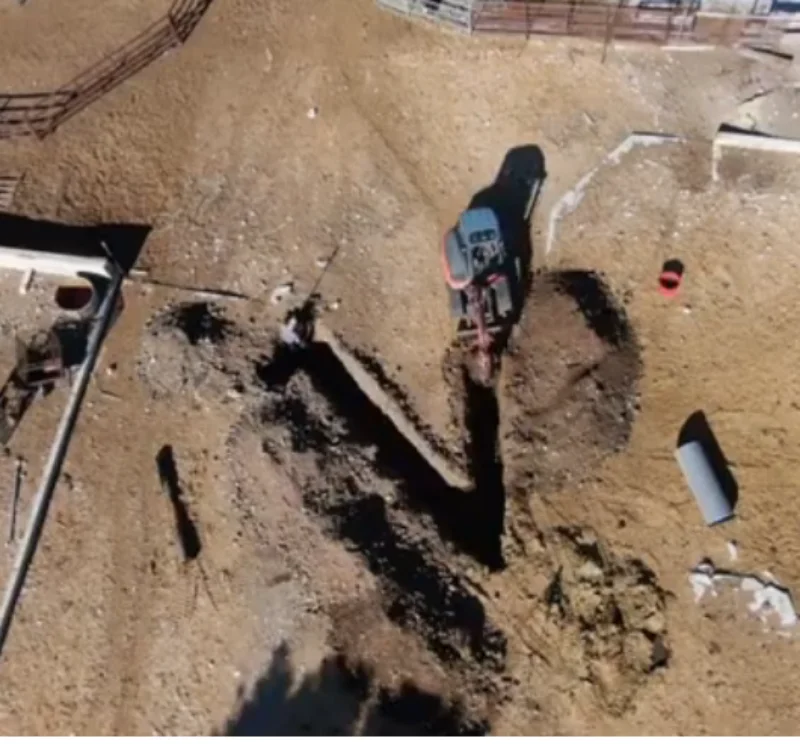
When trenchless isn’t possible: a collapsed pipe, a deep belly that needs the slope fixed, or joints so far out of line that nothing can pass through. An honest pro will tell you this after the camera check instead of promising no-dig for every job. See trenchless sewer replacement in Greeley for how lining and bursting work.
When a line is replaced in Greeley, the City’s current standard for new service lines is PVC SDR 35 pipe, 4 or 6 inches wide, with tracer wire so the line can be located later.
What should you do in the first 30 minutes of a sewer backup?
Stop using water, keep everyone out of the wet area, then call for help. Here’s the order that keeps it from getting worse:
Questions to ask a sewer line repair contractor in Greeley
Use this list on the phone and before you sign anything:
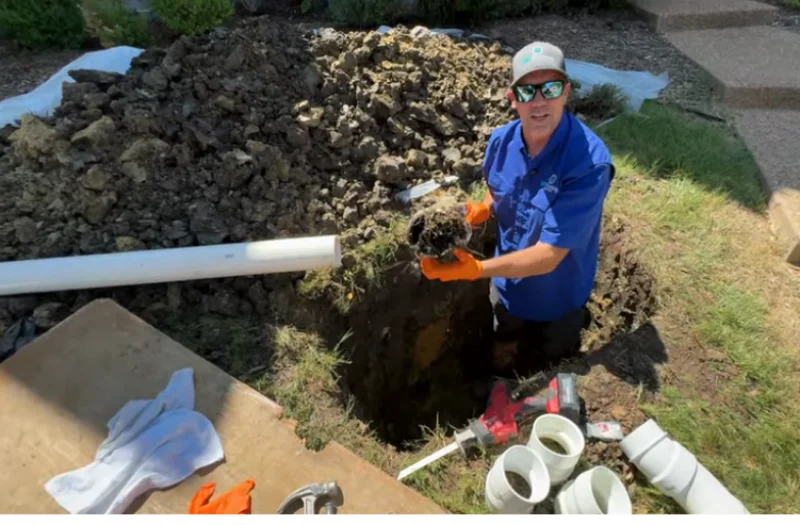
A good company won’t mind any of these questions.
How long does sewer line repair take in Greeley?
Most small jobs are done in one visit. Clearing a main line or fixing one bad section usually takes a few hours to a day. Trenchless lining or bursting is often finished in a day. A full dig-and-replace can take one to three days, plus time for the City inspection before the trench is filled.
Ask for a start date and a finish date in writing, and ask who schedules the inspection. Bigger jobs are covered on our sewer line replacement page.
How can you keep your sewer line from failing again?
Keep grease, wipes and other trash out of the drains, clear roots before they take over, and have the line checked with a camera if backups keep coming back. If your basement has a floor drain, ask whether a backwater valve makes sense for your home.
Do you need a permit for sewer line repair in Greeley?
Yes. Greeley requires permits for regulated plumbing work, and sewer service work is inspected before the trench is filled back in. The City handles permits through its eTRAKiT system, and its inspection form for sewer services is marked “do not backfill” until the inspection is signed. State plumbing rules in Colorado also require a permit and inspection for plumbing work.
In most cases the contractor pulls the permit. Ask to be sure.
Does homeowners insurance in Colorado cover a broken sewer line?
Usually not, unless you added special coverage. Colorado’s Division of Insurance explains two separate add-ons:
One pays for the pipe. The other pays for the mess. Check your policy for both, and call your agent before work starts if you think you’re covered.
Serving Greeley, Evans, Windsor and nearby towns
Local sewer pros serve Greeley and these nearby Weld County and Northern Colorado towns:
See the map, the full town list and who owns which part of the line on our Greeley-area service areas page.
Rules differ from town to town, so the right pro should know your town’s permit and inspection steps.
Frequently asked questions
Need sewer line repair in Greeley, CO? Talk to a local pro today.
Tell them what you’re seeing. Ask for camera proof. Decide on your Greeley, Colorado sewer line repair with the facts in front of you.