
Trenchless Sewer Repair in Greeley, CO
Looking for trenchless sewer repair in Greeley? A new liner or a new pipe can often go in through small access points, so your yard, driveway and trees stay put. Call SewerProof Greeley to talk to a local sewer pro who checks your line with a camera and tells you honestly whether no-dig will work for it.
Talk to a local sewer pro
Wondering if no-dig will work?
Tell us what’s happening. A local pro will explain lining, bursting and what a camera inspection would show.
What is trenchless sewer repair?
Trenchless sewer repair fixes or replaces a sewer line without digging a trench along its whole length. The work happens inside the old pipe, through a cleanout or a couple of small access pits.
There are two main methods:
Both cut digging down to a minimum. Which one fits depends on what the camera shows inside your line.
How pipe lining (CIPP) works
CIPP stands for cured-in-place pipe. Here is how a typical lining job goes:
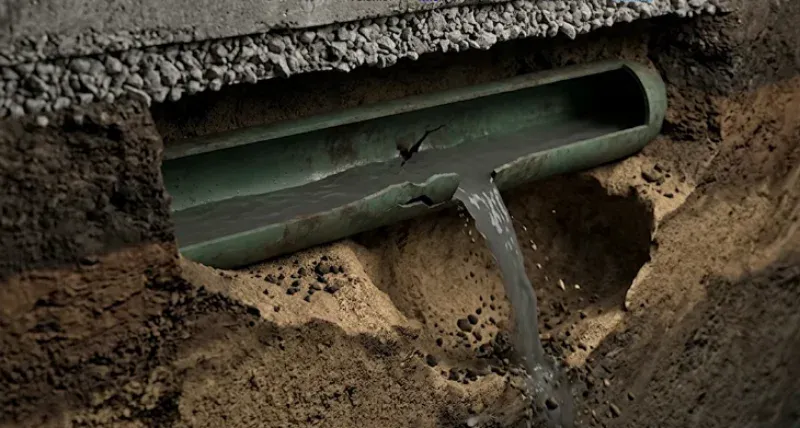
Lining works best when the old pipe still holds its shape: cracks, leaking joints and root entry points.
How pipe bursting works
Pipe bursting replaces the old pipe instead of lining it:
The new pipe is often HDPE, a tough plastic pipe that is joined into one long piece. Bursting fits worn-out pipe that is too far gone for a liner, as long as there is a path through it.
Pipe lining vs pipe bursting
Pipe lining (CIPP) | Pipe bursting | |
|---|---|---|
What happens | A new liner hardens inside the old pipe | A new pipe replaces the old one |
Digging | Little, often none beyond a cleanout | Two small pits, one at each end |
Best for | Cracks, leaking joints, root entry | Old pipe that is worn out along its length |
Pipe size after | Slightly smaller inside | Same size or larger |
Typical cost | About $1,900 to $6,000 for a typical project | About $150 to $190 per foot |
A camera inspection decides between them. Some jobs use both, or pair a short dig at one bad spot with lining for the rest.
When trenchless won’t work
No-dig repair is a great fit for many lines, but not all of them. Be wary of anyone who promises trenchless before seeing the footage. These conditions usually mean digging, at least in part:
When one of these shows up, the honest answer is often a short dig at the problem spot plus trenchless for the rest, or a full dig. Our sewer line replacement page covers digging in more detail.
Is your line a fit for trenchless sewer repair in Greeley?
Ask for the camera footage and check these points with your sewer pro:
If the answers look good, your line is likely a candidate for trenchless pipe repair in Greeley. If not, a mix of digging and trenchless may still save part of your yard.
Not sure if your line can go no-dig?
Describe what’s happening and ask about a camera check. A local sewer pro can tell you which method fits before you pay for anything.
What does trenchless sewer repair cost in Greeley?
Many trenchless jobs cost less than people expect, especially once you count what you don’t have to rebuild. These are typical 2026 ranges:
Job | Typical 2026 range |
|---|---|
Pipe lining, typical project | $1,900 to $6,000 |
Pipe lining, priced by the foot | $135 to $150 per foot |
Pipe bursting, priced by the foot | $150 to $190 per foot |
The length of the line, the number of connections, cleaning needed before lining, and how easy the line is to reach all move the price. Your exact price is set after a camera inspection.
Remember to compare the full picture. A dig may look cheaper on paper, then add costs to replace a driveway, sidewalk, sprinklers or landscaping. See how every repair type compares on our sewer repair price page.
How big are the access pits?
For lining, there may be no pit at all if the line has a good cleanout. For bursting, there is usually one small pit near the house and one near the street, instead of a trench along the whole line.
Ask your contractor to mark where each pit will go before work starts, especially near sprinklers, fences or trees.
How long does it take, and how long does a liner last?
Many lining and bursting jobs are done in a day, and some take two. Cleaning, curing time and the City inspection can add time. Your contractor should give you the schedule up front.
Liner makers often advertise a design life of around 50 years. That is a product rating, not a promise about your line. What protects you is the installer’s own written warranty. Ask how many years it covers, what it covers, and what would void it.
Does lining make the pipe smaller?
A little. The liner adds a thin wall inside the old pipe, so the inside gets slightly smaller. Because the new surface is smooth, with no joints, it usually still flows well. If your line is already small or has a lot of connections, ask your contractor how the liner will affect flow. Bursting can keep the same size or even go one size up.
Permits and City standards in Greeley
Before any trenchless sewer replacement in Greeley, check the permit. Colorado requires a permit and inspections for plumbing work, and Greeley handles plumbing permits through its eTRAKiT system. Ask your contractor whether your trenchless job needs a permit and who pulls it.
The City’s own design standards recognize lining: existing service lines with leaks can be replaced or lined at the City’s discretion. For new service lines, the City’s standard is PVC SDR 35 pipe. If your contractor plans pipe bursting with a different type of pipe, ask them to confirm it meets City requirements before work starts.
Is trenchless worth it?
Want to compare lining, bursting and a dig?
Ask a local sewer pro to price the options side by side, with the restoration included.
Questions to ask a trenchless contractor
Frequently asked questions
Talk to a local pro about no-dig repair
Tell them what’s happening, ask for the camera footage, and get an honest answer on whether your line can go trenchless. One call gets you talking to a local sewer pro who handles Greeley trenchless sewer replacement and repair in nearby towns too.